


WASHINGTON — American homebuyers face a shrinking window to lock in sub-7% financing, and comparing FHA vs VA vs ARM loans right now can cut monthly payments by $138 to $413 before the Federal Reserve meets on December 8–9, 2026. With standard 30-year conventional mortgages hovering near 7.10% to 7.13%, government-backed and hybrid adjustable mortgages are pricing nearly half a percentage point lower.
National lending desks currently quote 30-year FHA mortgages near 6.57%, 30-year VA loans around 6.64% to 6.67%, and 5/6 SOFR adjustable-rate mortgages (ARMs) between 6.62% and 6.65%. That spread arrives just days after the Federal Housing Finance Agency (FHFA) raised 2027 conforming loan limits to $855,400 and Wall Street priced a 92% to 98% probability of a quarter-point Federal Reserve hike at 2:00 p.m. EST on December 9, 2026.
Key Financial Takeaways (At a Glance):
- Who Qualifies / Is Impacted: US homebuyers, veterans, and refinancing owners facing 7.13% conventional rates before year-end.
- Official Rate Benchmark: FHA 30-year at 6.57%–6.58%, VA 30-year at 6.64%–6.67%, 5/6 ARM at 6.62%–6.65%.
- Effective Deadlines: December 9, 2026 (2:00 p.m. EST) FOMC rate decision; January 1, 2027 FHFA $855,400 conforming limit launch.
- Governing Agencies & Laws: Federal Reserve, HUD/FHA, VA, FHFA, CFPB, TILA (Regulation Z), RESPA, and IRS Publication 936.
- Average Dollar Impact: $138 to $413 in monthly savings—up to $13,680 over five years on a $450,000 purchase.
- Smart First Move: Request standardized Loan Estimates from at least three lenders within a single 14-day credit-inquiry window.

FHA vs VA vs ARM Loans: Official Rules, Federal Policies, and What Just Changed
Mortgage pricing in late 2026 has decoupled from traditional playbooks after inflation stubbornly reaccelerated. The Bureau of Economic Analysis reported October 2026 Personal Consumption Expenditures (PCE) inflation at 3.8% year over year—and Core PCE at 3.3%—keeping pressure on the Federal Open Market Committee (FOMC).
After hiking the federal funds target range by 25 basis points to 3.75%–4.00% on September 16, 2026, policymakers held steady in October on a 10–2 vote. Futures tracked by CME FedWatch now signal another 25-basis-point increase to 4.00%–4.25% on December 9, which threatens to push 10-year Treasury yields and retail mortgage quotes higher.
Underwriter’s Desk Note: The Federal Reserve does not directly set 30-year fixed mortgage rates, yet FOMC rate hikes immediately lift the Secured Overnight Financing Rate (SOFR)—the exact benchmark driving future resets on every new 5/6 ARM.
At the same time, two major housing rulebooks shifted on November 24, 2026. First, the Federal Housing Finance Agency (FHFA) lifted the 2027 baseline conforming loan limit by 2.72% ($22,650) to $855,400 for single-family homes, while raising the high-cost ceiling to $1,283,100. Second, FHFA officially approved FICO Score 10T alongside VantageScore 4.0 for Fannie Mae and Freddie Mac underwriting, giving lenders interim choice between Classic FICO and VantageScore 4.0 today while scheduling Classic FICO’s full retirement for September 2028.
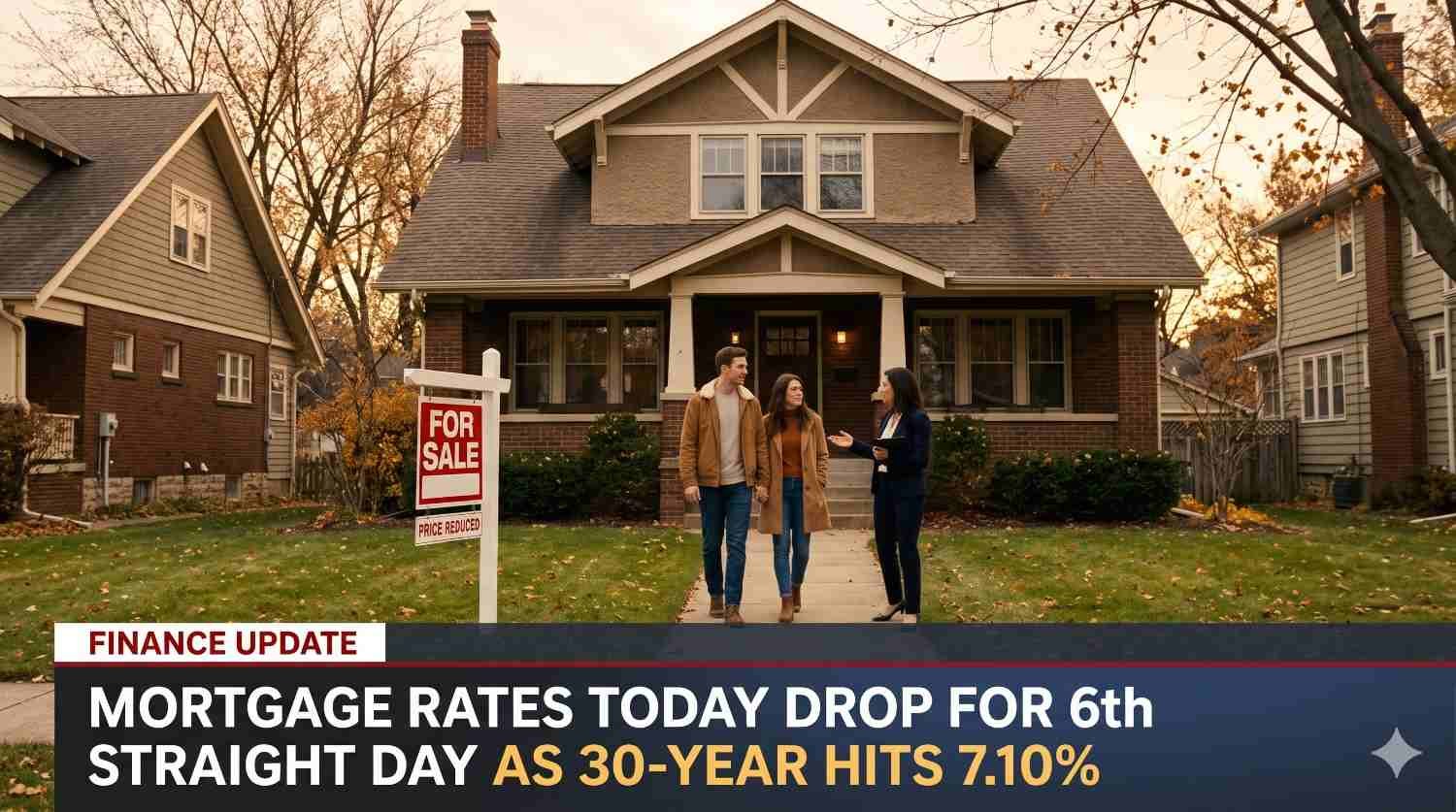
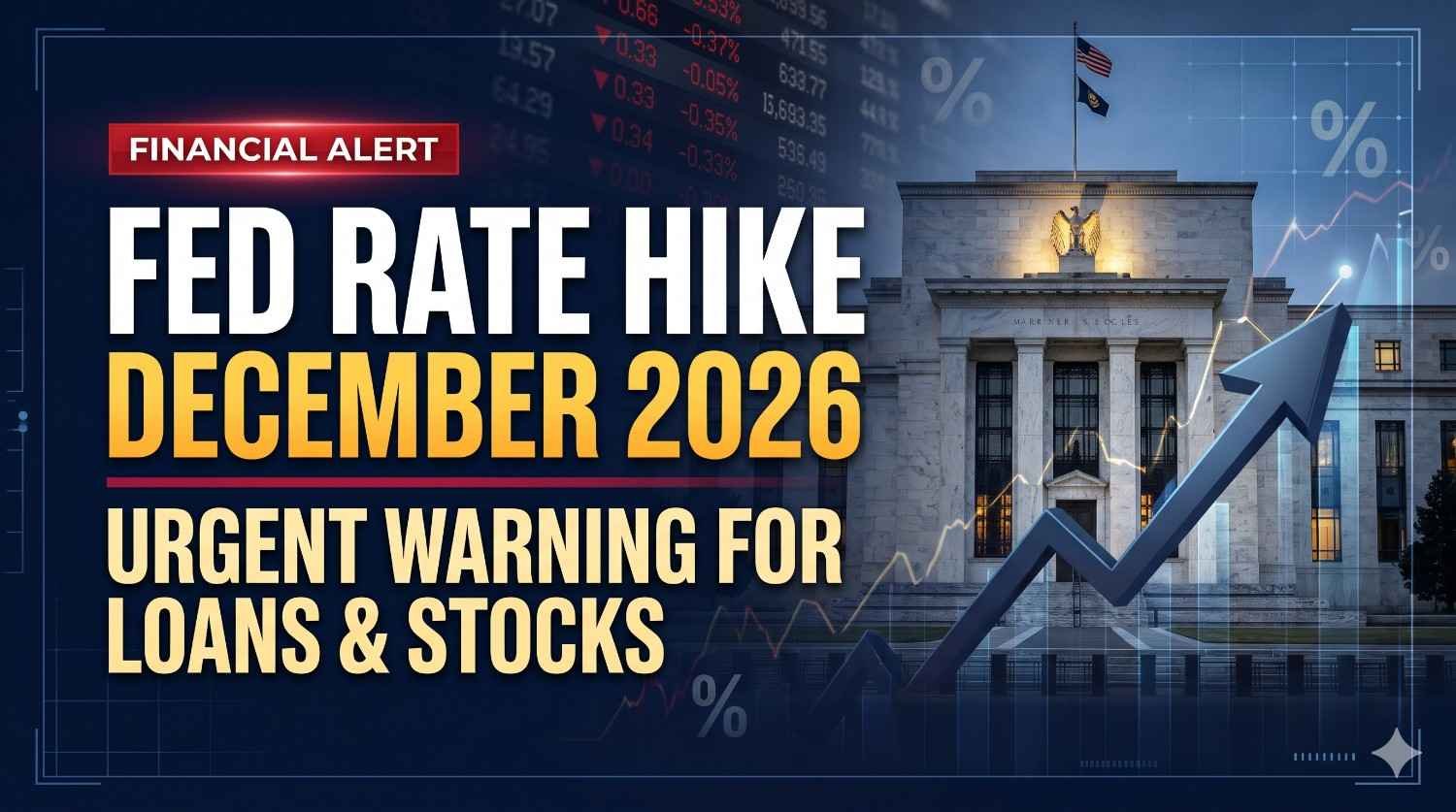
Caption: Federal housing limit adjustments and Federal Reserve policy meetings in Washington directly shape 2026–2027 FHA, VA, and adjustable-rate mortgage affordability for US homebuyers.
Federal Protections, Government Programs, and FHA vs VA vs ARM Loans Requirements
Every loan category operates under strict statutory ceilings, agency rules, and federal consumer protections enforced by the CFPB under the Truth in Lending Act (TILA / Regulation Z), the Real Estate Settlement Procedures Act (RESPA), and the Equal Credit Opportunity Act (ECOA). Understanding the exact underwriting gatekeepers inside a bank’s black box prevents costly application rejections:
- HUD / FHA Mortgages: Backed by the U.S. Department of Housing and Urban Development (HUD), FHA allows a 3.5% down payment with a 580 minimum decision credit score, or 10% down for scores from 500 to 579. Automated underwriting frequently approves back-end Debt-to-Income (DTI) ratios up to 50%—and occasionally 56.99% with strong cash reserves. For 2026, 1-unit loan caps run from a $541,287 national floor to a $1,249,125 high-cost ceiling. Under the Housing and Economic Recovery Act (HERA) formula (65% of conforming baseline), HUD’s pending 2027 floor projects near $556,010 with a $1,283,100 ceiling.
- VA-Guaranteed Home Loans: Administered by the U.S. Department of Veterans Affairs, VA loans offer 0% down payment (100% LTV), zero monthly mortgage insurance, and no federal loan cap for borrowers holding full VA entitlement. While the VA sets no official minimum credit score, most private lenders impose overlays of 620, rely on a 41% DTI benchmark, and verify strict regional residual income rules. Eligible borrowers also enjoy Servicemembers Civil Relief Act (SCRA) interest caps on pre-service debts and access to low-doc VA Interest Rate Reduction Refinance Loans (IRRRL).
- 5/6 SOFR Adjustable-Rate Mortgages: Offered by banks, credit unions, and non-bank lenders under Fannie Mae and Freddie Mac rules, a 5/6 ARM locks your initial interest rate for 60 months before adjusting every six months based on the 30-day Average SOFR index plus a fixed margin (typically 2.75% to 3.00%). Lenders usually require a 620+ FICO score (740+ for top pricing), 5% to 10% down, and a maximum 45% to 50% back-end DTI—qualified at the higher of the note rate plus 2% or the fully indexed rate.
Headline rates only expose half the story. Once you factor in upfront fees, mortgage insurance rules, and 2026–2027 loan caps side by side, the real winner changes completely depending on your credit tier.
2025 vs. 2026–2027 Rate, Fee & Eligibility Matrix (Side-by-Side Breakdown)
Loan officers routinely pitch the lowest advertised interest rate without highlighting the Annual Percentage Rate (APR), which bakes in mandatory insurance and origination costs under Regulation Z. Compare the full 2026–2027 underwriting matrix below before signing a single rate lock:
| Loan Feature / Metric | FHA 30-Year Fixed | VA 30-Year Fixed | 5/6 SOFR ARM (Conforming) | Conventional 30-Year Fixed (Benchmark) |
| Late-Nov 2026 Avg. Note Rate | 6.57%–6.58% | 6.64%–6.67% | 6.62%–6.65% | 7.10%–7.13% |
| Effective APR (Includes Fees/MI) | ~7.78% | ~6.83% | ~6.69% (Initial) | ~7.17% |
| 2025 vs. 2026 Baseline Cap | $524,225 vs. $541,287 | No cap (Full entitlement) | $806,500 vs. $832,750 | $806,500 vs. $832,750 |
| 2027 Baseline Cap (1-Unit) | ~$556,010 (HERA formula; HUD pending) | No cap (Full entitlement) | $855,400 (Official FHFA) | $855,400 (Official FHFA) |
| Minimum Down Payment | 3.5% (580+ FICO) / 10% (500–579) | 0% Down | 5% (Primary residence) | 3% (First-time) / 5% Standard |
| Upfront Agency Fee | 1.75% UFMIP (Financed) | 2.15% First Use (<5% down; 0% if exempt) | 0% Agency Fee (Lender origination 0%–1%) | 0% Agency Fee (LLPAs by FICO/LTV) |
| Monthly Mortgage Insurance | 0.55% Annual MIP (Life of loan if <10% down) | $0 Monthly MI | Private MI (Drops at 78% LTV via HPA) | Private MI (Drops at 78% LTV via HPA) |
| Typical Min FICO / Max DTI | 580 FICO / Up to 50%–57% DTI | 620 Overlay / 41%+ (Residual income) | 620+ (740+ best) / 45%–50% DTI | 620+ (740+ best) / 45%–50% DTI |
When underwriters price FHA vs VA vs ARM loans, the headline interest rate rarely tells the whole story. Notice the glaring gap on the FHA row: while the 6.57% note rate looks like the cheapest mortgage in America, FHA’s mandatory 1.75% Upfront Mortgage Insurance Premium (UFMIP) and 0.55% annual MIP inflate the true APR to roughly 7.78%.
By contrast, VA loans skip monthly mortgage insurance altogether, keeping their 6.83% APR dramatically lower than FHA despite a slightly higher 6.64%–6.67% base rate. Meanwhile, high-credit buyers (740 to 800+ FICO) avoid FHA’s lifetime insurance penalty by choosing a 5/6 ARM—provided they plan to sell, refinance, or aggressively pay down principal before Month 61.
Just how much cash do those spreads actually put back in your checking account? Let’s plug a real $450,000 American home purchase into the amortization schedule.
Real-World Dollar Math: Exact Cost & Savings Scenarios for American Borrowers
Running exact household math on FHA vs VA vs ARM loans exposes thousands of dollars in hidden five-year savings—and one steep payment trap. Below are three realistic US borrower profiles purchasing a $450,000 primary residence in late November 2026 (figures show Principal, Interest, and Mortgage Insurance; property taxes and homeowners insurance vary by county).
Worked US Borrower Scenario ($450,000 Home Purchase)
- Profile 1 — Borrower A (640 FICO, Non-Veteran, Limited Cash): FHA 30-Year Fixed vs. Conventional
- FHA Path (6.57% Rate, 3.5% Down = $15,750): Rolling the $7,599 UFMIP (1.75%) into the $434,250 base loan creates a $441,849 balance. Monthly Principal & Interest (P&I) equals $2,813, plus $199/month in Year-1 MIP (0.55%), totaling $3,012/month. Total 30-year P&I interest reaches $570,889 (plus ongoing MIP unless refinanced).
- Conventional Alternative (640 FICO, 5% Down = $22,500): Risk-based Loan-Level Price Adjustments (LLPAs) push a 640-FICO conventional quote near 7.65% ($3,033 P&I on $427,500) plus roughly $392/month in private mortgage insurance—totaling $3,425/month.
- Net Advantage: FHA saves Borrower A $413/month ($4,956/year) while requiring $6,750 less cash at closing.
- Profile 2 — Borrower B (Eligible Veteran, 700 FICO, $0 Down): VA 30-Year Fixed
- Standard First-Use VA (6.64% Rate, 2.15% Funding Fee = $9,675 Financed): On a $459,675 total balance, monthly P&I equals $2,948/month with $0 monthly MI. Total 30-year interest is $601,573. Compared to FHA, Borrower B saves $64/month and keeps $15,750 in liquid savings.
- Disability-Exempt VA (6.64% Rate, $0 Funding Fee): Because more than half of VA homebuyers qualify for funding-fee exemption due to service-connected disability, the $450,000 loan drops to $2,886/month ($588,910 lifetime interest)—beating FHA by $126/month ($7,560 over five years) with zero down payment.
- Profile 3 — Borrower C (740 FICO, Non-Veteran, 5% Down = $22,500): 5/6 SOFR ARM vs. 30-Year Fixed
- 5/6 ARM Path (6.65% Initial Rate, $427,500 Loan): Monthly P&I equals $2,744, plus roughly $214/month in private PMI (0.60%), totaling $2,958/month during Years 1 through 5.
- Conventional 30-Year Fixed (7.13% Rate, $427,500 Loan): Monthly P&I equals $2,882, plus $214 PMI, totaling $3,096/month.
- 5-Year Cash Savings vs. Reset Risk: The 5/6 ARM saves $138/month ($8,280 over 60 months). However, under standard 2/1/5 rate caps, if SOFR stays elevated in Year 6, a maximum +2.00% first adjustment to 8.65% on the remaining $400,871 balance spikes P&I to $3,269/month—a +$525/month payment shock.
Caption: Side-by-side amortization analysis reveals how upfront funding fees, monthly FHA mortgage insurance, and Year-6 ARM rate resets alter real US household budgets.
Hidden Lender Traps, Tax Consequences, and Overlooked Edge Cases
Even savvy buyers comparing FHA vs VA vs ARM loans get blindsided by fine-print fees buried on page two of the Loan Estimate. Watch closely for five costly traps lenders rarely volunteer:
- Permanent FHA MIP Lock-In: Put less than 10% down on an FHA mortgage and annual MIP stays on your statement for all 30 years—even after your equity crosses 20%. Under the federal Homeowners Protection Act, conventional PMI cancels automatically at 78% LTV, whereas FHA borrowers must refinance out entirely. (If you refinance into another FHA loan within 36 months, verify your lender applies the prorated HUD UFMIP refund credit.)
- Junk Fees & Discount Point Camouflage: Many online rate tables advertise a “6.375% rate” that secretly embeds 0.65 to 1.00 discount points ($2,500 to $4,500 upfront) plus padded underwriting, processing, and document-prep fees. Under TILA, none of those lender fees are mandatory across banks—always demand a zero-point par quote.
- 2026–2027 IRS Tax Reinstatement (Form 1040 Schedule A): Under Section 70108 of Public Law 119-21 and draft 2026 IRS Publication 936, Congress permanently restored the itemized deduction for qualified mortgage insurance—covering conventional PMI, FHA MIP, and VA funding fees—starting with tax year 2026 returns filed in spring 2027. The catch: the deduction phases out by 10% per $1,000 of Adjusted Gross Income (AGI) above $100,000 ($50,000 married filing separately) and vanishes completely above $109,000 AGI. Mortgage interest remains capped at $750,000 of acquisition debt (reported on Form 1098).
- Forgiven Debt Tax Bombs (Form 1099-C): Borrowers who default or execute a short sale face potential IRS taxable income on canceled principal reported via Form 1099-C unless they qualify for insolvency or statutory exclusions.
- Overlooked Borrower Edge Cases: Self-employed borrowers filing 1099-NEC and Schedule C returns face strict two-year average net-income underwriting—meaning aggressive business write-offs shrink borrowing power across all three loan types. Fixed-income retirees can “gross up” nontaxable Social Security or VA disability income by 15% to 25% to clear DTI hurdles, while non-occupying cosigners are permitted on FHA loans but restricted on VA mortgages (which require a spouse or second eligible veteran).
For ongoing December 2026 Federal Reserve rate hike alerts, county-level loan limit tables, and consumer finance policy trackers, readers can monitor updates on SarkariResultine.com/us. Once you know which traps to dodge, your exact sequence of moves over the next two weeks decides your final interest rate.
Step-by-Step Approval & Savings Blueprint: Exact Moves to Make Right Now
Securing the lowest rate across FHA vs VA vs ARM loans requires executing your credit, documentation, and rate-lock sequence in exact order. Follow these six underwriter-tested steps before locking your mortgage:
- Audit All Three Credit Files Before Any Hard Pull: Download free weekly credit reports from Equifax, Experian, and TransUnion via AnnualCreditReport.com, the sole portal authorized under the Fair Credit Reporting Act (FCRA). Dispute inaccurate late payments and pay credit card balances below 10% utilization 30 days before applying; ask conventional lenders whether pulling VantageScore 4.0 (which counts on-time rent history) beats your Classic FICO tier.
- Verify Lender Credentials & Military Entitlement Early: Confirm your bank or credit union carries active FDIC or NCUA deposit insurance (or state NMLS licensing for mortgage brokers). Veterans should request their Certificate of Eligibility (COE) immediately through the VA portal and verify any 10%+ service-connected disability rating to secure the 2.15%–3.30% funding-fee waiver.
- Assemble a Clean Underwriting Packet: Gather your last two years of W-2s (or 1099-NECs and signed Form 1040 federal tax returns), 30 days of recent pay stubs, 60 days of complete bank/401(k)/HYSA statements with zero unexplained large cash deposits, and IRS tax transcripts.
- Exploit the FICO Rate-Shopping Window: Submit formal mortgage applications to at least three competing lender types—a national bank, a local credit union, and an online wholesale broker—within a single 14-day window (up to 45 days on newer FICO scoring models). Multiple mortgage hard inquiries inside that window count as one single inquiry on your score.
- Compare Page 1 and Page 2 Loan Estimates Line by Line: Under RESPA and TILA, lenders must deliver standardized three-page Loan Estimates within three business days. Strip away identical third-party title and tax escrows, then compare Box A (Origination Charges), Box J (Lender Credits), the 5-year total cost on Page 3, and exact ARM adjustment caps (2/1/5 vs. 5/1/5).
- Lock Strategically and Protect Your Legal Rights: Ask lenders about a “float-down” option if rates unexpectedly dip after December 9. If a lender violates fee tolerances, delays disclosures, or discriminates under ECOA, submit an official complaint immediately through the Consumer Financial Protection Bureau (CFPB).
Knowing how to qualify is half the battle; knowing when to lock around the Federal Reserve’s 2026–2027 calendar determines whether you ride a rate dip or absorb a hike.
2026–2027 Key Financial Deadlines, Fed Calendar & What Happens Next
Timing matters more for FHA vs VA vs ARM loans over the next 90 days than at any point since the Federal Reserve resumed tightening. Mark these verified policy windows before choosing between locking immediately or floating your rate:
- Early December 2026: HUD is expected to publish its formal 2027 FHA Mortgagee Letter translating FHFA’s $855,400 conforming limit into official county-by-county FHA floors and ceilings.
- December 8–9, 2026 (Decision at 2:00 p.m. EST, Dec. 9): Final 2026 FOMC meeting and quarterly Summary of Economic Projections. With markets already pricing a 25-basis-point hike to 4.00%–4.25%, mortgage rates could still spike if Chair guidance signals additional 2027 hikes.
- December 31, 2026: Deadline to execute year-end pre-tax 401(k) or HSA contributions if you need to lower your 2026 AGI below $100,000 to claim the reinstated IRS mortgage insurance deduction.
- January 1, 2027: Official effective date for the $855,400 baseline ($1,283,100 high-cost ceiling) FHFA conforming loan limits—helping mid-tier buyers avoid stricter jumbo underwriting.
- 2027 FOMC Policy Windows: The Federal Reserve’s revised 2027 schedule sets meetings for January 26–27, March 16–17, April 27–28, June 8–9, July 27–28, September 14–15, October 26–27, and November 16–17, 2027.
- December 2027 – September 2028: Phased FHFA rollout of FICO Score 10T, culminating in Classic FICO retirement in September 2028.
Lock or Wait Verdict: If you are closing within 45 days, locking a 6.57% FHA or 6.64% VA quote prior to the December 9 FOMC press conference protects your budget against hawkish bond-market turbulence. If you need the higher $855,400 conforming cap to avoid jumbo rates, ask lenders about early-adoption 2027 limit programs available right now or schedule your closing for early January 2027.
Official Government Resources & Primary Financial Verification Links
Verify current caps, underwriting rules, and fee tables for FHA vs VA vs ARM loans directly through these primary federal portals:
- Federal Reserve FOMC Meeting Calendar & Statements — Official 2026–2027 monetary policy dates, minutes, and interest rate announcements.
- FHFA Conforming Loan Limit Lookup & Credit Score Updates — Official 2026 and 2027 county conforming loan ceilings and VantageScore 4.0 / FICO 10T transition timelines.
- HUD / Federal Housing Administration (FHA) Mortgage Portal — Official FHA loan limit lookup tool, MIP schedules, and HUD-approved housing counselors.
- VA Home Loan Funding Fee & Closing Cost Guide — Official VA entitlement rules, funding-fee tiers, disability exemptions, and IRRRL guidelines.
- Consumer Financial Protection Bureau (CFPB) Mortgage Hub — Interactive Loan Estimate explainer, APR comparison guides, and federal lender complaint portal.
- IRS Home Mortgage Interest Deduction (Publication 936) — Official 2026 tax rules for mortgage interest caps, discount points, and reinstated mortgage insurance deductions.
- AnnualCreditReport.com — Federally mandated portal for free official Equifax, Experian, and TransUnion credit reports.
Frequently Asked Questions (People Also Ask)
Which loan is better with a 620 to 669 credit score: FHA, VA, or a 5/6 ARM?
Choosing among FHA vs VA vs ARM loans with a 620 to 669 FICO score usually favors VA first if you hold military eligibility, followed by FHA. Both government programs shield fair-credit borrowers from the steep conventional pricing surcharges (LLPAs) and high private mortgage insurance that make 5/6 ARMs expensive below 700 FICO.
How much does rate shopping across three lenders hurt my credit score?
Applying with multiple mortgage lenders typically lowers your FICO score by fewer than five points—often zero—if all hard inquiries occur within a 14-to-45-day deduplication window. Credit bureaus treat clustered mortgage pulls as one shopping event, letting you negotiate lower origination fees without damaging your approval tier.
Are FHA MIP and VA funding fees tax-deductible on 2026 tax returns?
Yes, starting with tax year 2026 returns filed in 2027, Congress permanently reinstated the itemized deduction for FHA mortgage insurance premiums, VA funding fees, and conventional PMI on Schedule A (Form 1040). However, you must itemize deductions, and the benefit phases out completely once Adjusted Gross Income exceeds $109,000.
Can I refinance out of a 5/6 ARM or FHA loan without a prepayment penalty?
Yes. Under federal Dodd-Frank Qualified Mortgage (QM) rules enforced by the CFPB, standard FHA, VA, and conforming 5/6 ARM mortgages carry zero prepayment penalties. You can refinance into a lower fixed rate—or switch from FHA to conventional to eliminate lifetime MIP—the moment market rates or your equity allow.
What happens if my 5/6 ARM resets higher and I cannot afford the new payment?
Before Year 6 arrives, contact your loan servicer to explore a rate-and-term refinance or a VA/FHA streamline conversion if eligible. Federal Regulation X loss-mitigation rules also require servicers to evaluate struggling homeowners for loan modifications or forbearance before initiating foreclosure—never wait until a missed payment triggers credit damage.
Editorial Financial Disclosure: Mortgage interest rates, federal loan limits, underwriting overlays, and IRS tax thresholds are subject to market and regulatory change; this investigative report is provided strictly for educational and informational purposes and does not constitute personalized financial, mortgage, tax, or legal advice.













Leave a Reply