

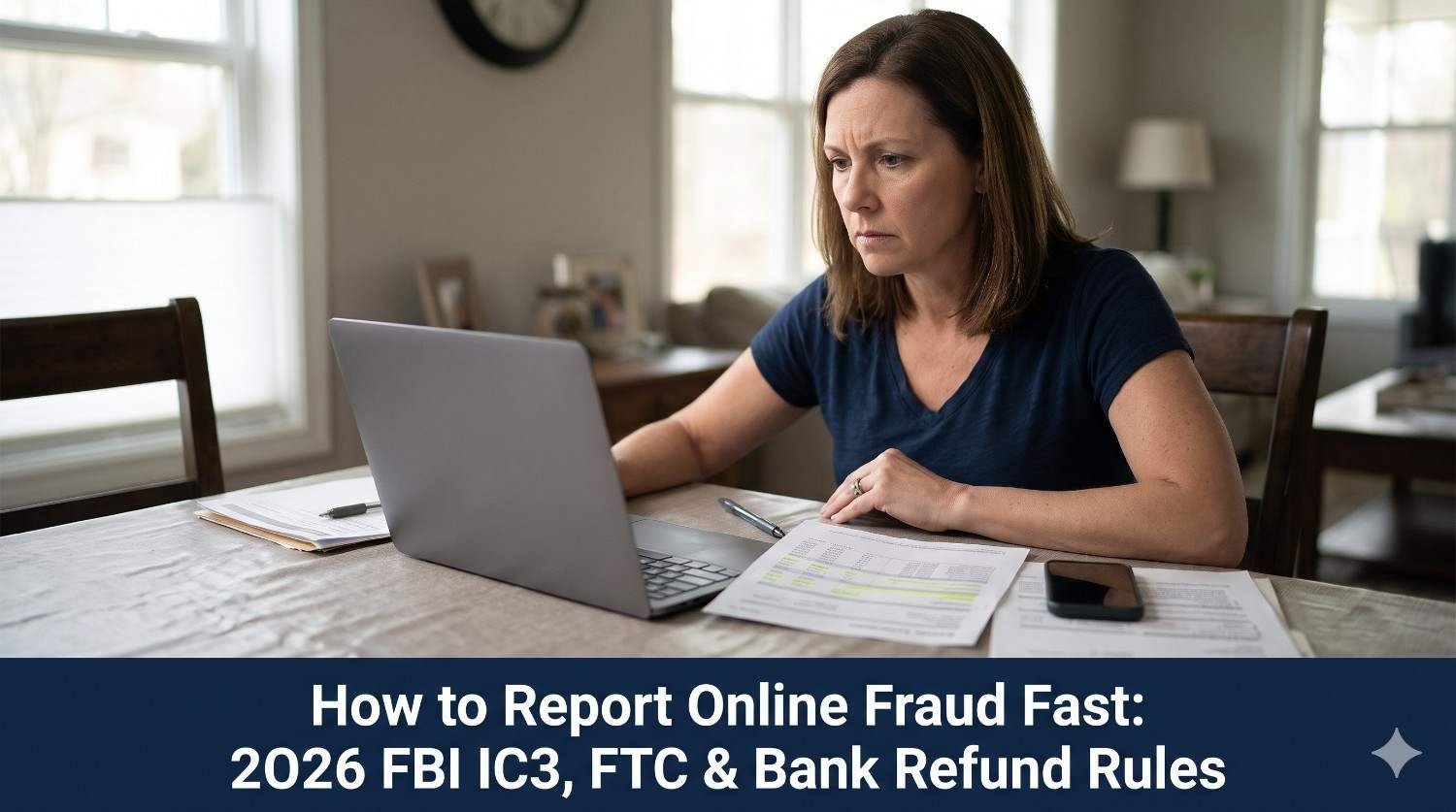
WASHINGTON — Every 29 seconds, another American files a cybercrime complaint with federal investigators, and knowing how to report online fraud within the first hour often separates a full bank refund from a permanent six-figure wipeout. According to the FBI Internet Crime Complaint Center’s 2025 annual report released in April 2026, Americans reported a record $20.877 billion in cybercrime losses across 1,008,597 complaints—a 26% surge in a single year. Parallel data from the Federal Trade Commission’s Consumer Sentinel Network logged over 3 million fraud complaints totaling $16.1 billion, proving that spoofed bank alerts, AI-cloned voices, and fake toll texts are now draining tech-savvy households across every US time zone.
Most consumers panic, argue with a chatbot, or wait until their monthly statement arrives—mistakes that hand banks legal grounds to reject reimbursement claims. Federal recovery windows start ticking the moment money leaves your checking account, whether at 9:00 AM EST or 11:30 PM PST.
Official Threat & Safety Snapshot (At a Glance):
- Threat Type / Target Group: Cyber-enabled financial fraud (impersonation, investment, phishing, and account takeover) targeting US consumers, seniors, and small businesses.
- Issuing Federal Agencies: FBI IC3, FTC, CISA, CFPB, and U.S. Department of the Treasury.
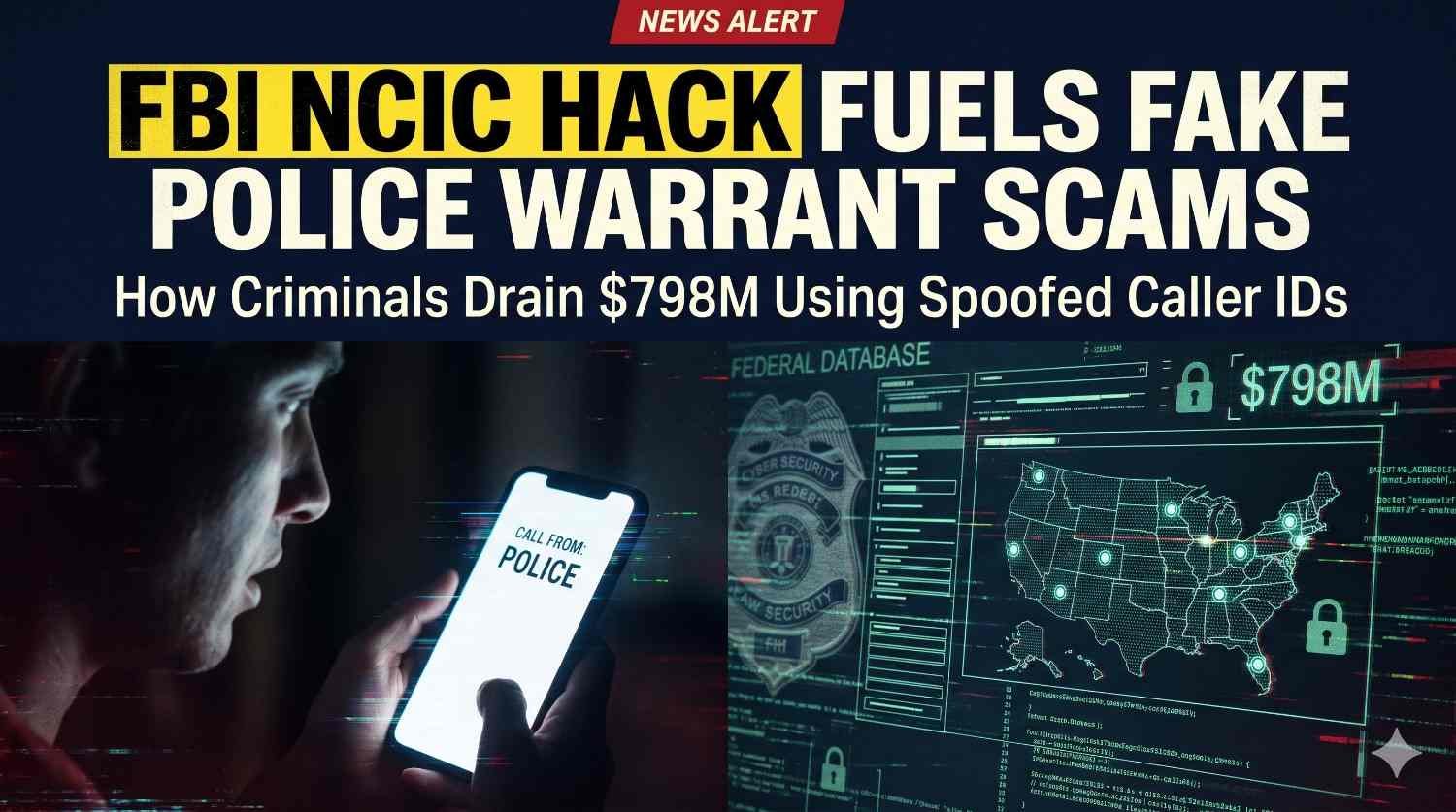
- Exact Scam Trigger: Spoofed bank fraud calls, E-ZPass/USPS smishing texts, fake tech-support pop-ups, and AI-cloned distress calls.
- Average Victim Loss: $20,699 overall; $38,500 for Americans aged 60 and older.
- Federal Refund Protection: $50 cap under FCBA (credit cards) and Regulation E (unauthorized debit/ACH reported within 2 business days).
- Immediate First Action: Call the fraud number on the back of your card, then file at IC3.gov and ReportFraud.ftc.gov.
Report Online Fraud: How the Scam Kill Chain Works and Why Federal Agencies Are Sounding the Alarm
Cyber-enabled fraud is no longer clumsy spelling errors from overseas princes. FBI data shows cyber-enabled schemes accounted for 85% of all reported losses—$17.697 billion across 452,868 complaints—driven by organized syndicates running industrialized call centers.
The modern kill chain unfolds in four rapid stages designed to hijack both your nervous system and your security controls:
- Stage 1 — Hyper-Targeted Lure: Criminals purchase leaked Social Security numbers, addresses, and banking affiliations from dark-web breach dumps. They launch spoofed caller ID calls (“vishing”), fake USPS or E-ZPass unpaid-toll texts (“smishing”), or search-engine ads mimicking bank support desks.
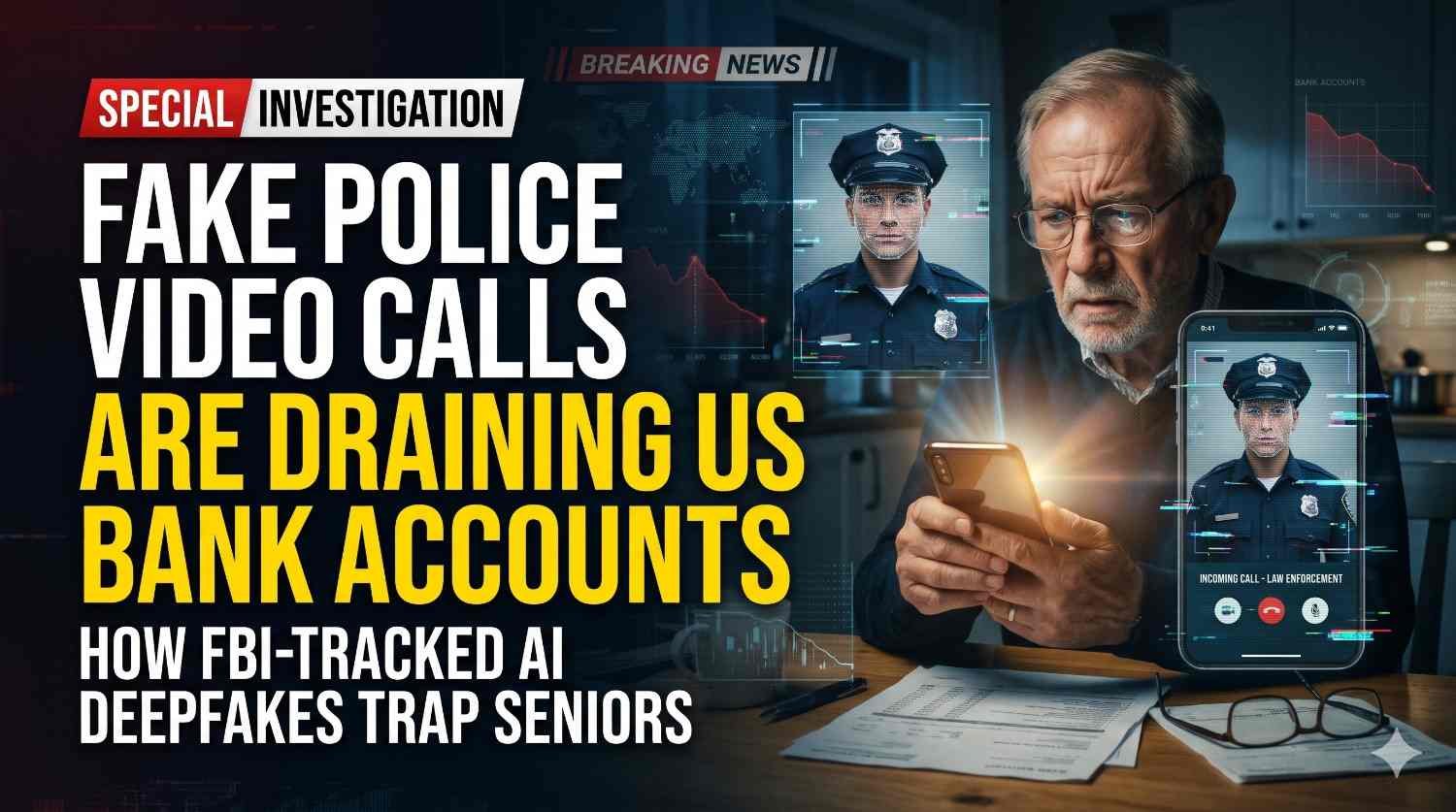
- Stage 2 — Artificial Panic and Authority: A smooth-talking caller poses as your bank’s fraud department, a federal agent, or a Microsoft technician. In 2025 alone, the FBI tracked 22,364 complaints involving artificial intelligence—generating $893 million in losses—including voice-cloning distress calls and deepfake investment pitches.
- Stage 3 — Security Bypass: Instead of asking for your password outright, the fraudster triggers a real two-factor alert on your phone and asks you to “read back the cancellation code” (MFA fatigue). Others push you to install legitimate remote-access software like AnyDesk or TeamViewer, or execute a SIM-swap port-out with your wireless carrier to intercept login texts.
- Stage 4 — Irreversible Cash-Out: Once inside—or after convincing you to “move funds to a safe vault account”—criminals push money out through instant rails like Zelle, Venmo, Cash App, international wires, gift cards, or Bitcoin ATMs, which absorbed $389 million in reported losses.
Federal investigators at the FBI Internet Crime Complaint Center (IC3) and the Cybersecurity and Infrastructure Security Agency (CISA) stress that speed is your strongest weapon. When victims submit wire and wallet details immediately, federal analysts can flag receiving mule accounts before money vanishes offshore.
Caption: Federal cyber investigators warn that spoofed bank alerts and instant peer-to-peer payment prompts are designed to push US consumers into bypassing multi-factor security before they can verify the caller.
Federal Liability Laws and Protections When You Report Online Fraud
American consumers hold powerful statutory shields, but each federal law protects a different slice of your wallet. Knowing which statute applies when you report online fraud keeps bank representatives from brushing you off with inaccurate policy excuses.
- Fair Credit Billing Act (FCBA / Regulation Z): Caps your personal liability for unauthorized credit card charges at $50—and major card networks enforce $0 liability policies—provided you dispute billing errors in writing within 60 days of your statement date.
- Electronic Fund Transfer Act (EFTA / Regulation E): Governs unauthorized debit card, ATM, ACH, and hijacked electronic transfers. Report a lost or stolen access device within 2 business days to cap liability at $50; wait between 3 and 60 days after your statement and exposure jumps to $500; wait past 60 days and you face unlimited loss on subsequent transfers.
- Fair Credit Reporting Act (FCRA): Guarantees free credit freezes at Equifax, Experian, and TransUnion. Under Section 605B, bureaus must block fraudulent accounts from your credit file within four business days once you supply an official FTC Identity Theft Report.
- FCC SIM-Swap & Port-Out Fraud Rules (47 CFR § 52.37): Following final Federal Communications Commission action published on November 18, 2026, wireless carriers must comply by December 18, 2026 with mandatory authentication checks and immediate customer alerts before executing number port-outs.
Federal Agency Ironclad Rule: The IRS, Social Security Administration, FBI, U.S. Secret Service, and federal courts will NEVER demand payment via gift cards, cryptocurrency kiosks, gold bars, or wire transfers to “clear a warrant” or “protect your savings.”
Yet knowing these statutes is only half the battle—because banks exploit one specific loophole in federal law to deny thousands of valid-feeling claims every week.
Payment Method & Fraud Recovery Matrix (What Banks Must Refund vs. Where Victims Lose)
Not all dollars carry equal federal protection. Where your money sat—and who physically clicked “Send”—determines whether a bank must legally reimburse you or can legally walk away.
| Payment Method | Governing Federal Law | Victim Liability Cap | Critical Reporting Window | Realistic Refund Odds | Required Dispute Action |
| Credit Card (Unauthorized / Non-Delivery) | FCBA (Regulation Z) | $50 max ($0 network policy) | 60 days from statement date | Very High | File formal chargeback via card issuer + written notice |
| Debit Card / ATM Theft | EFTA (Regulation E) | $50 (2 days) / $500 (60 days) / Unlimited | Within 2 business days of discovery | High (if timely) | Call back-of-card fraud desk; demand Reg E investigation |
| Unauthorized ACH / Hijacked Zelle | EFTA (Regulation E) | $0–$50 (unauthorized EFT) | 60 days from periodic statement | High (with takeover proof) | Assert “unauthorized EFT” under 12 CFR 1005.11; keep logs |
| Scam-Induced Authorized Zelle / Venmo / Cash App | Private Network Rules (Reg E gap) | Often 100% victim loss | Immediate (minutes to hours) | Low–Moderate (imposter exceptions) | Escalate to bank executive office + CFPB complaint |
| Bank Wire Transfer (Domestic / International) | UCC Article 4A (not Reg E) | Often 100% unless recalled | Under 24–72 hours (Kill Chain) | Moderate if recalled under 72 hrs | Demand SWIFT recall, Hold Harmless letter + IC3 filing |
| Gift Cards / Crypto ATMs (Bitcoin Kiosks) | No federal refund cap | 100% (cash-equivalent) | Immediate (before redemption) | Very Low | Contact card brand fraud line + file IC3 wallet hash |
The deadliest trap in this matrix is the authorized versus unauthorized loophole. Under Regulation E, banks must refund transfers made by a criminal who broke into your account—known as an unauthorized Electronic Fund Transfer.
If a spoofed caller tricks you into typing the dollar amount and hitting “Confirm” on Zelle, most banks argue you “authorized” the payment and deny your claim within 24 hours. However, Consumer Financial Protection Bureau (CFPB) guidance clarifies that private payment-network rules cannot override federal Regulation E protections if a fraudster actually induced you to share credentials and initiated the transfer themselves.
Understanding that distinction before you report online fraud to your bank prevents an accidental phrasing mistake that locks your dispute into an automatic rejection pile. Look at what happens when two Americans lose the exact same sum under opposite timelines.
Real-World Loss & Recovery Math: Exact Financial Outcomes for US Victims
The financial gap between consumers who report online fraud immediately and those who hesitate is brutal. Consider a side-by-side comparison of two Americans—both targeted by the same $6,500 spoofed bank-alert scheme on a Monday morning at 10:15 AM EST.
Victim A (Immediate Containment & Unauthorized Takeover Protocol):
- What Happened: A smishing text tricked Victim A into entering banking credentials on a fake login page. The criminal logged in from an unrecognized IP address and initiated a $6,500 ACH/debit drain.
- Action Taken: Victim A spotted the text alert within 40 minutes, called the bank’s official back-of-card fraud line, documented the unauthorized login, froze credit at all three bureaus, and filed reports at IC3.gov and IdentityTheft.gov before 2:00 PM EST.
- Financial Outcome: Under Regulation E (12 CFR 1005.11), the bank could not require a police report to open the investigation. Within 10 business days, the bank issued provisional credit and permanently refunded all $6,500 (waiving the $50 statutory cap). Net Out-of-Pocket Loss: $0.
Victim B (Authorized Transfer Trap & Delayed Escalation):
- What Happened: The same syndicate called Victim B posing as “Chase/Bank Fraud Protection” and convinced Victim B to wire $6,500 to a “federal holding account” to stop a fake hack.
- Action Taken: Embarrassed and assured by the scammer that funds would return in 14 days, Victim B waited three weeks before calling the bank and never filed an IC3 complaint.
- Financial Outcome: Because the 72-hour wire-recall window closed weeks earlier and the transfer was self-initiated, the bank rejected the dispute under UCC Article 4A. Net Out-of-Pocket Loss: $6,500—plus hundreds of dollars in overdraft fees and months of identity monitoring.
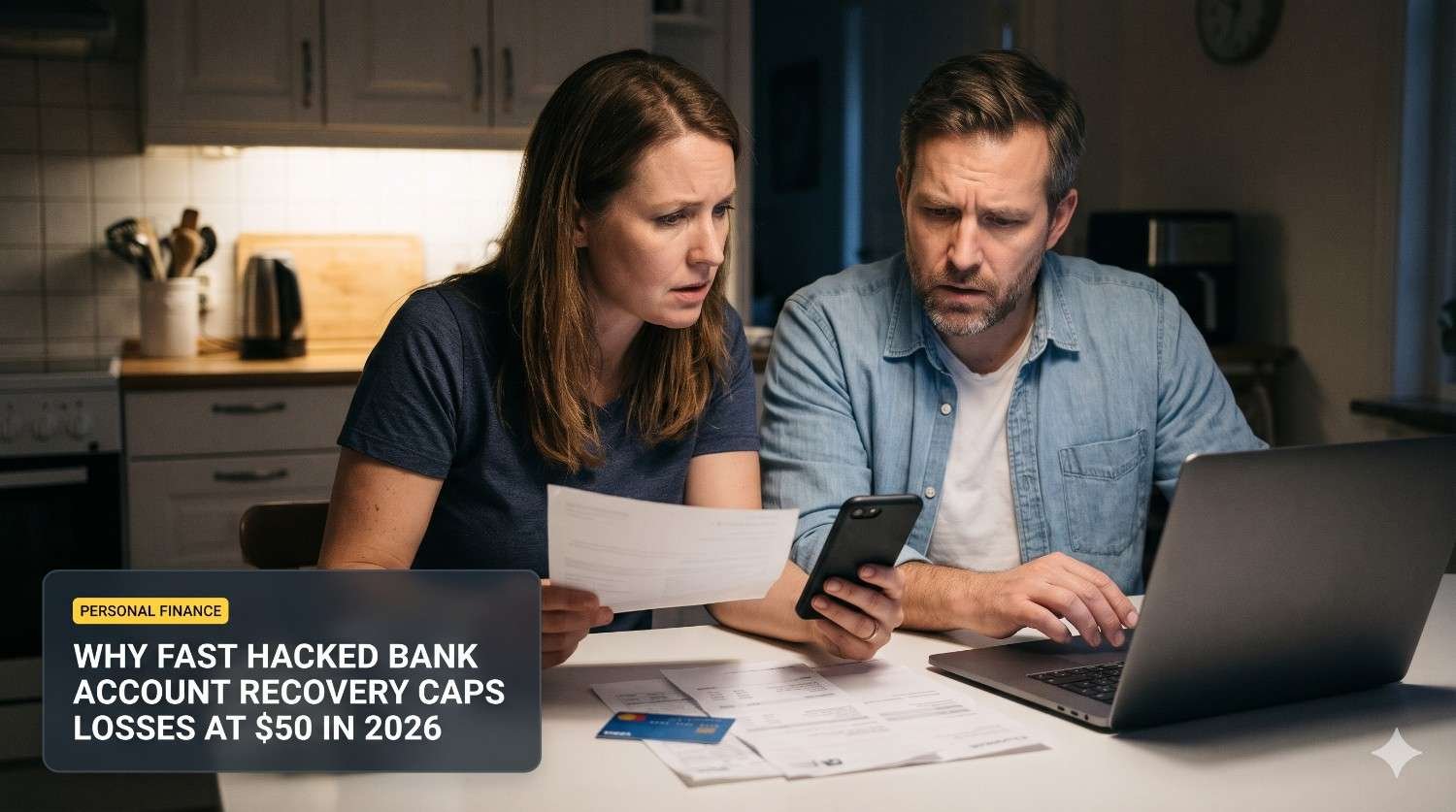
Caption: Bank dispute timelines and federal liability caps heavily reward US consumers who trigger unauthorized-transfer investigations within the first 24 to 48 hours.
Overlooked Danger Zones: Secondary “Recovery Scams,” Tax Traps, and High-Risk Groups
Getting drained once puts a glowing target on your back. Victims who report online fraud through unofficial search-engine ads instead of verified federal portals routinely get hit a second time.
- Secondary “Recovery Room” Scams: Criminals resell victim contact lists to fake “blockchain investigators,” sham law firms, and phony federal agents promising to recover stolen crypto or wires for an upfront retainer. In 2025 alone, Americans reported 10,516 recovery scams totaling $1.4 billion to the FBI. Legitimate law enforcement never charges a fee to return seized funds.
- Harsh 2026 IRS Tax Rules on Scam Losses: Congress made the Tax Cuts and Jobs Act ban on personal theft-loss deductions permanent under the July 2025 One Big Beautiful Bill Act (expanding personal casualty relief only to state-declared disasters). Under IRS Chief Counsel Advice Memorandum 202511015, romance-scam and fake-kidnapping victims cannot deduct losses—only victims of profit-motivated investment frauds or compromised IRA/brokerage thefts meeting IRC § 165(c)(2) criteria may qualify for tax relief.
- High-Risk Targets & Hidden Bureaus: Americans aged 60 and over lost $7.75 billion in 2025 IC3 complaints (a 59% spike), while small businesses bled $3.05 billion to Business Email Compromise (BEC) invoice swaps. Freezing Equifax, Experian, and TransUnion alone is not enough—criminals also open fraudulent checking accounts and utility lines unless you freeze ChexSystems, Innovis, and NCTUE too.
To stay ahead of emerging bank-impersonation waves, federal consumer alerts, and verified scam trackers year-round, readers can monitor ongoing US safety updates at SarkariResultine.com/us/. If you have already clicked a link, shared a code, or sent money, follow the exact damage-control sequence below without skipping a single step.
Emergency 24-Hour Damage-Control Checklist: Exact Steps If You Clicked or Paid
Execute these six steps in exact order. Do not delete scam emails, text threads, or call logs—federal investigators and bank fraud teams require intact evidence.
- Sever Device Access and Lock Compromised Logins (Minutes 0–15): Disconnect any compromised computer from Wi-Fi immediately. Uninstall remote-access tools like AnyDesk, TeamViewer, or ScreenConnect, then use a separate clean device to change your email, banking, and password-manager credentials and enable app-based or hardware-key MFA.
- Call Your Bank’s Back-of-Card Fraud Desk Immediately (Minutes 15–60): Never call a number from a text message. For debit, ACH, or hijacked P2P transfers, state clearly that you are reporting an unauthorized Electronic Fund Transfer under Regulation E and request your dispute case number plus written investigation records. For fraudulent international wires of $50,000 or more sent within the last 72 hours, demand that your bank initiate a SWIFT recall, issue a Hold Harmless letter, and trigger the FBI Financial Fraud Kill Chain (FFKC).
- File Official Reports at IC3.gov and FTC Portals (Hours 1–4): File official federal complaints to report online fraud directly at IC3.gov and ReportFraud.ftc.gov. Gather these exact fields before typing: originating and recipient bank names, routing/account numbers, exact dollar amounts and timestamps (with time zone), cryptocurrency wallet addresses and transaction hashes, spoofed phone numbers, full email headers, and a chronological summary. If your SSN, driver’s license, or financial logins were exposed, immediately create a recovery plan at IdentityTheft.gov to generate your legally binding FTC Identity Theft Report for FCRA Section 605B credit blocking.
- Freeze All Six Consumer Reporting Files (Hours 4–12): Place free security freezes online at Equifax, Experian, and TransUnion, then freeze your banking and telecom histories at ChexSystems, Innovis, and NCTUE. Pull your free weekly credit reports at AnnualCreditReport.com to verify no unauthorized credit cards or loans opened in your name.
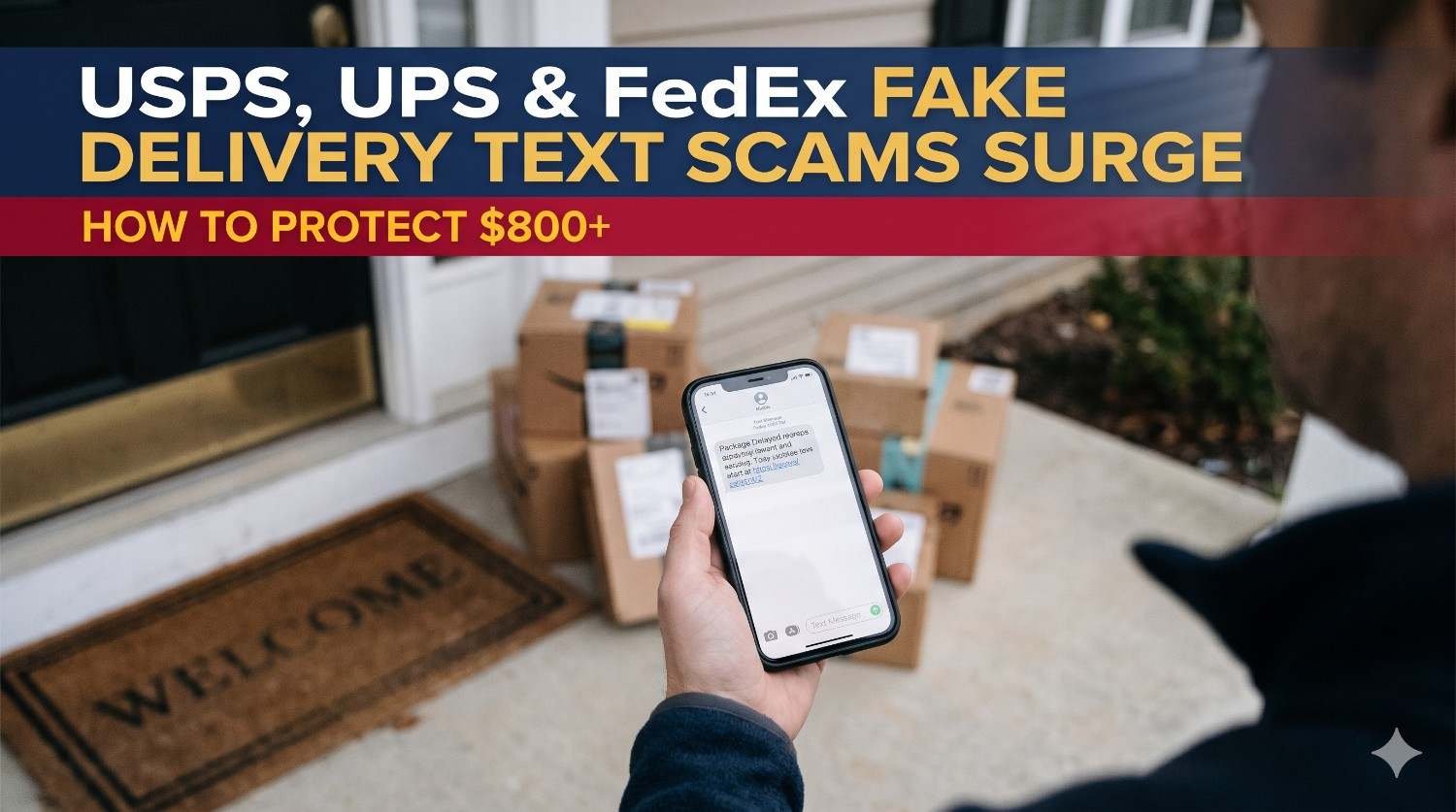
- Report Smishing Texts and Lock Your Wireless Number (Hours 12–18): Forward scam text messages verbatim to 7726 (SPAM) so carriers can blacklist the sending gateway. Log into your AT&T, Verizon, or T-Mobile account and activate a custom Number Transfer PIN / Port-Out Lock to block SIM-swap hijacking.
- Shield Your IRS Tax Profile and State Benefits (Hours 18–24): If criminals obtained your Social Security number, enroll in an IRS Identity Protection PIN (IP PIN) at IRS.gov and submit IRS Form 14039 (Identity Theft Affidavit) if a fraudulent tax return is rejected or suspected. Seniors should also monitor Medicare Summary Notices and report Social Security impersonation to the SSA Office of the Inspector General.
While fast reporting protects your immediate balance, the fraud ecosystem targeting US households is mutating faster than ever heading into 2027.
2026–2027 Threat Escalation, Regulatory Crackdowns, and What Happens Next
Federal regulators and cyber syndicates are locked in an escalating arms race. Following the FBI’s inaugural tracking of $893 million in AI-enabled losses, investigators expect real-time deepfake voice and video impersonation to dominate 2027 BEC wire fraud and grandparent distress scams.
Major US enforcement shifts are arriving just in time to blunt parts of the wave. Wireless providers face the FCC’s mandatory December 18, 2026 compliance deadline under 47 CFR § 52.37 to enforce stricter customer verification and instant port-out notifications. Simultaneously, the CFPB, FTC, and bipartisan State Attorneys General are intensifying pressure on major banks and peer-to-peer networks—including Zelle and FedNow participants—to close reimbursement gaps for imposter-induced transfers.
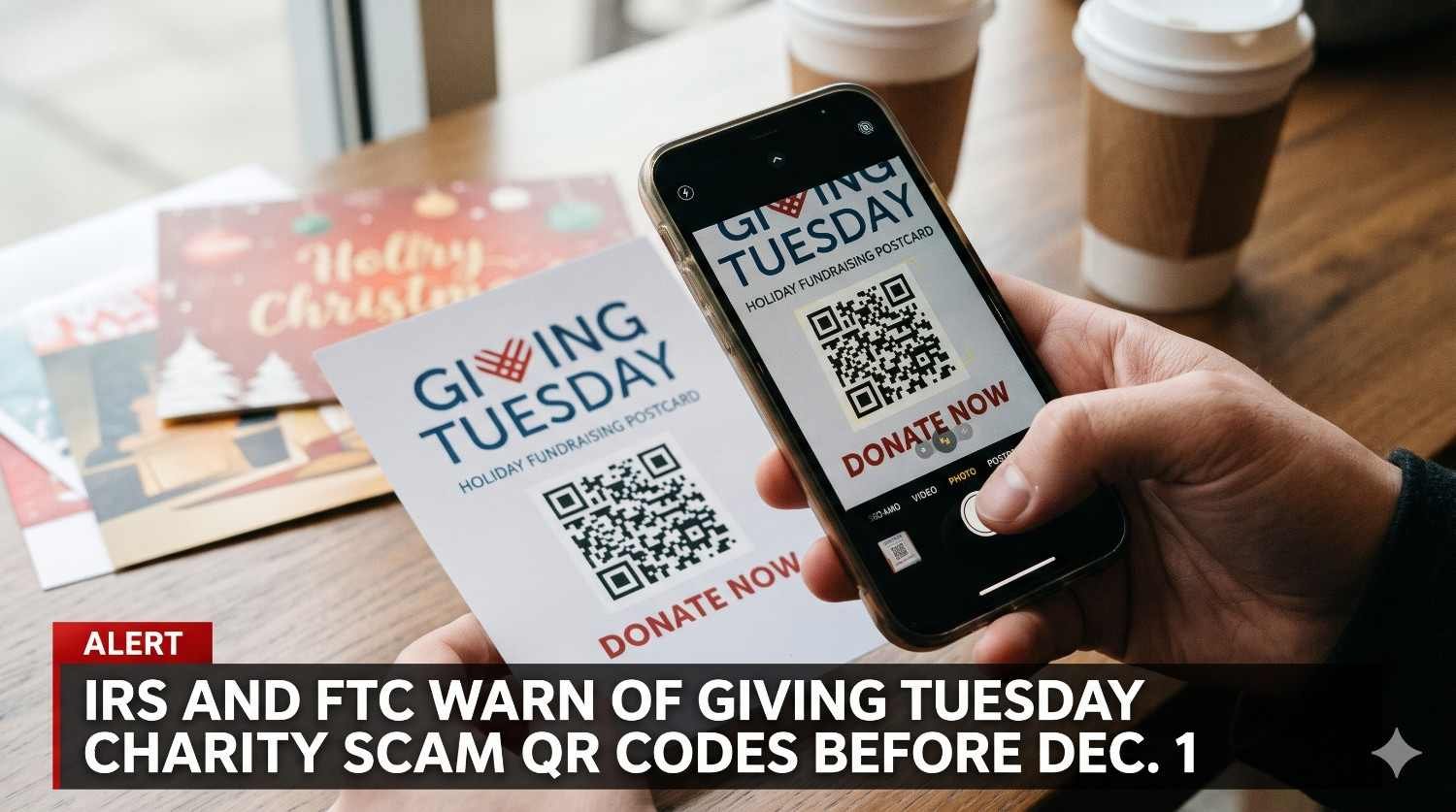
Expect predictable seasonal surges throughout the year: W-2 and IRS impersonation spikes from January through April, Medicare Open Enrollment scams surge from October 15 through December 7, and USPS/UPS package-delivery smishing peaks from November through December. Even as enforcement tightens, victims who report online fraud during peak seasonal waves feed the exact intelligence federal strike forces use to freeze mule accounts.
Official Federal Reporting Portals & Primary Verification Links
Bookmark these verified federal portals so you can report online fraud, lock compromised credit files, and verify real enforcement notices without landing on lookalike spoof sites:
- FBI Internet Crime Complaint Center (IC3): Primary federal hub for cybercrime complaints, cryptocurrency tracing, and wire-transfer Kill Chain recalls.
- FTC ReportFraud Portal: Feeds nationwide scam complaints directly into the Consumer Sentinel Network shared with over 2,800 law enforcement agencies.
- FTC IdentityTheft.gov: Generates your official FTC Identity Theft Report and step-by-step FCRA dispute letters.
- Consumer Financial Protection Bureau (CFPB): Submit formal regulatory complaints if your bank improperly denies a Regulation E or FCBA fraud dispute.
- Cybersecurity and Infrastructure Security Agency (CISA): Official US advisories on active phishing campaigns, software vulnerabilities, and malware defense.
- Federal Communications Commission (FCC): Report spoofed robocalls, text scams, and unauthorized carrier SIM swaps or port-outs.
- Internal Revenue Service (IRS): Obtain a free IRS IP PIN, file Form 14039, and verify official tax-scam alerts.
- AnnualCreditReport.com: The only federally authorized portal for free weekly Equifax, Experian, and TransUnion credit reports.
Frequently Asked Questions (People Also Ask)
Can I get my money back after a Zelle, wire, or crypto scam?
Recovery depends on speed and authorization. Unauthorized account-takeover Zelle transfers are protected under federal Regulation E. Self-authorized wires over $50,000 can sometimes be frozen if recalled within 72 hours via the FBI Financial Fraud Kill Chain, whereas cryptocurrency and gift cards are rarely recoverable once moved off-exchange.
What happens if I only clicked a scam link without entering my information?
Clicking a link alone rarely drains a bank account on an updated phone or browser, unless a malicious file downloaded automatically. Immediately close the tab, clear your browser cache, run a malware scan, and verify no unknown apps or browser extensions installed before logging into banking sites.
How long do US banks have to resolve a Regulation E fraud dispute?
When you report online fraud involving an unauthorized debit or ACH transfer, Regulation E gives your bank 10 business days to investigate (20 business days for new accounts). If the bank needs more time—up to 45 or 90 days—it must issue provisional credit to your account while investigating.
Does placing a credit freeze hurt my FICO credit score?
No. Placing, lifting, or permanently keeping a security freeze at Equifax, Experian, TransUnion, ChexSystems, or Innovis has zero impact on your FICO score or existing credit accounts. Freezes are 100% free under federal law and can be lifted online in minutes when you apply for a loan.
How can I verify if a call from my bank, the IRS, or the FBI is real?
Hang up immediately—never trust caller ID, which scammers spoof in seconds. Look up the official customer service number printed on the back of your debit card or on an official .gov website, call back from a clean line, and ask whether any real alert exists on your file.
Editorial Safety & Legal Note: Federal liability caps, IRS theft-loss eligibility, and bank reimbursement outcomes depend on individual transaction facts and reporting timelines; this report is published strictly for US consumer protection education and does not constitute formal legal or tax advice.




Leave a Reply