


WASHINGTON — American homebuyers and homeowners staring down the final Federal Reserve policy meeting of the year have a narrow 11-day window to decide whether to trigger a mortgage rate lock right now. After stubborn October inflation pushed the 30-year fixed average to 7.28% in mid-November, Freddie Mac reported a modest pullback to 7.21% on November 25, 2026, offering temporary relief before the Federal Open Market Committee convenes December 8–9.
Waiting past the 2:00 p.m. EST announcement on Wednesday, December 9, 2026 carries real pocketbook risk. With headline Personal Consumption Expenditures (PCE) inflation running at 3.8% and core PCE at 3.3%—both well above the central bank’s 2% target—bond markets are openly pricing in a potential quarter-point federal funds rate hike. On a $400,000 30-year mortgage, floating into even a half-point pricing jump adds $137 to $206 every month and up to $74,287 in extra lifetime interest.
Key Financial Takeaways (At a Glance):
- Who Is Impacted: U.S. homebuyers under contract, cash-out refinance applicants, and ARM borrowers facing late-2026 or early-2027 resets.
- Official Rate Benchmark: 30-year fixed at 7.21% and 15-year fixed at 6.54% (Freddie Mac PMMS, November 25, 2026); federal funds target at 3.75%–4.00%.
- Critical Deadline: FOMC blackout started November 28, 2026; policy decision and updated dot plot drop December 9, 2026 at 2:00 p.m. EST.
- Governing Agencies: Federal Reserve (FOMC), CFPB (Regulation Z/TILA), FHFA, and HUD/FHA.
- Average Dollar Impact: Locking before a hawkish repricing can save $2,476 per year on a $400,000 balance.
- Smart First Move: Request three competing Loan Estimates on the same business day and price a 30-day lock with a written float-down rider.
Mortgage Rate Lock: Official Rules, Federal Policies, and What Just Changed
Most borrowers assume mortgage rates move in lockstep with the Federal Reserve’s overnight benchmark. That myth costs American households thousands of dollars every cycle. Fixed 30-year mortgages actually track the 10-year U.S. Treasury yield and agency mortgage-backed securities (MBS), which reprice weeks before the FOMC votes.
Two major policy developments in late November 2026 flipped the standard playbook for locking in financing. First, the October 28, 2026 FOMC statement confirmed a rare 10–2 split vote keeping the federal funds target range at 3.75% to 4.00%, with Governors Lisa D. Cook and Beth M. Hammack dissenting in favor of an immediate 25-basis-point increase. Because the Federal Reserve entered its pre-meeting communications blackout on November 28, no policymaker will calm bond traders before December 9.
Second, on November 24, 2026, the Federal Housing Finance Agency (FHFA) formally raised the 2027 baseline conforming loan limit by 2.72% to $855,400—up $22,650 from 2026’s $832,750 cap—with high-cost ceilings climbing to $1,283,100. On the exact same day, FHFA approved FICO Score 10T for future Fannie Mae and Freddie Mac delivery while expanding VantageScore 4.0, which already appeared in 37% of September 2026 Desktop Underwriter applications.
Former Underwriter Reality Check: Lenders price your rate sheet off live MBS trading desks every morning around 10:00 a.m. EST. If December 9’s Summary of Economic Projections (“dot plot”) signals two rate hikes in 2027, lenders can reprice rates higher by 0.25% to 0.375% before 2:45 p.m. EST the very same afternoon.
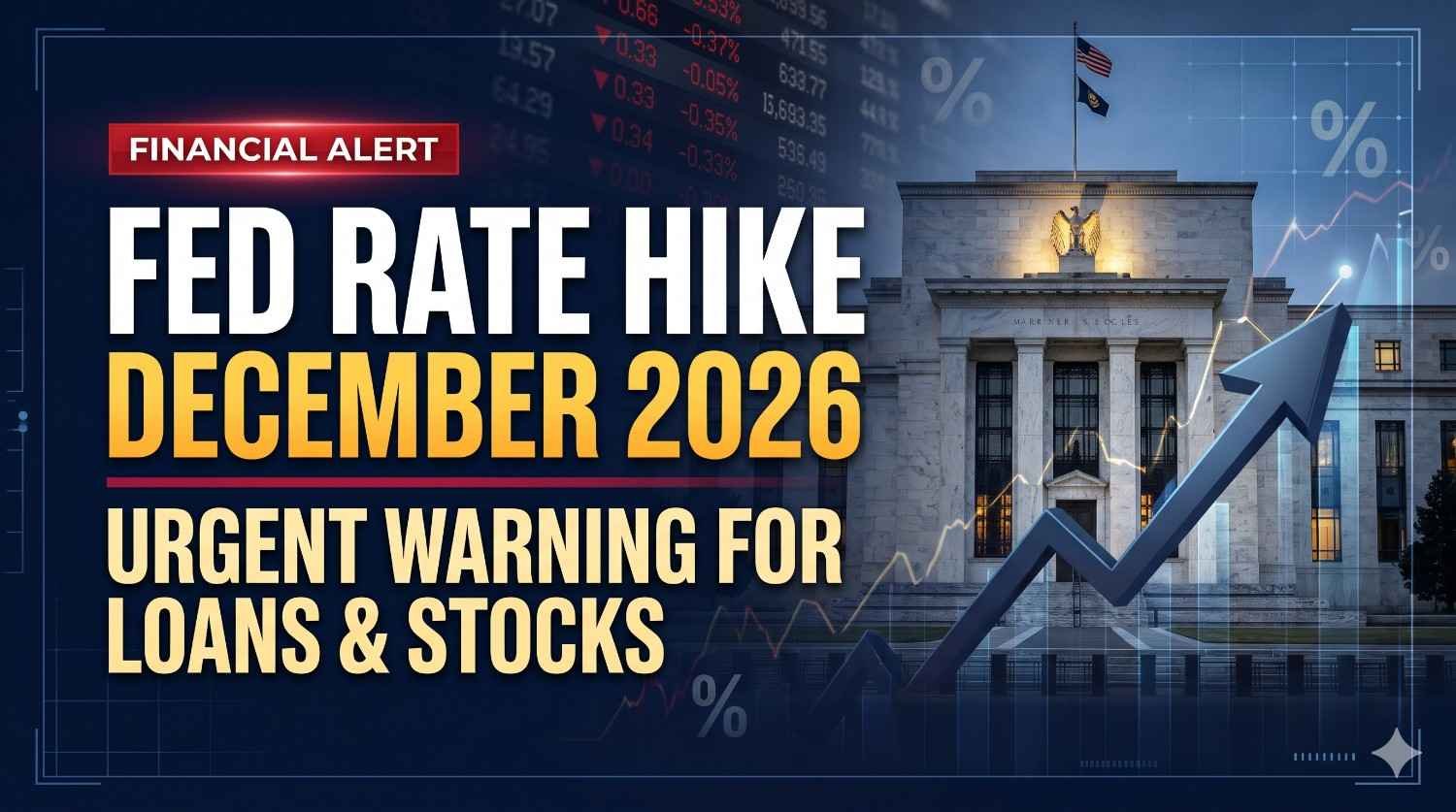
Caption: Bond traders and U.S. mortgage desks closely track Treasury yields and FOMC projections ahead of the December 9, 2026 Federal Reserve policy release.
Federal Protections, Government Programs, and Mortgage Rate Lock Requirements
Under the Truth in Lending Act (TILA / Regulation Z), lenders must disclose whether your interest rate is locked or floating in the top-right box of Page 1 on your Loan Estimate (LE) within three business days of application. Once you execute a mortgage rate lock agreement, the Real Estate Settlement Procedures Act (RESPA) and TILA strictly cap fee increases—lender origination charges fall under the zero-tolerance bucket unless a documented changed circumstance alters your loan structure.
Inside the bank’s underwriting room, securing top-tier pricing requires hitting strict federal and agency thresholds:
- Credit Score Tiers: Conventional lenders price loans via Loan-Level Price Adjustments (LLPAs) using Classic FICO or VantageScore 4.0 tri-merge middle scores. Exceptional scores (800+) and Very Good scores (740–799) earn the cleanest pricing, Good (670–739) absorbs moderate rate add-ons, Fair (580–669) triggers steep conventional fees, and Subprime borrowers (below 580) generally require FHA financing with 10% down.
- Debt-to-Income (DTI) Caps: Conventional automated underwriting typically caps back-end DTI at 45% to 50% with strong cash reserves, while Qualified Mortgage (QM) safety rules scrutinize front-end housing ratios near 28% to 31%.
- Loan-to-Value (LTV) & Mortgage Insurance: Conventional loans above 80% LTV require Private Mortgage Insurance (PMI), which drops automatically at 78% original LTV under the federal Homeowners Protection Act. FHA loans allow 3.5% down at 580+ credit, capped in 2026 at $541,287 in standard counties and $1,249,125 in high-cost areas, though they carry a 1.75% upfront Mortgage Insurance Premium (MIP) plus annual MIP.
- Government-Backed Alternatives: Eligible military borrowers using VA loans pay zero down payment and no monthly mortgage insurance, while rural buyers under USDA guaranteed loans qualify for 0% down subject to county income limits.
Knowing the federal rules is half the battle, but the raw gap between 2025 rates, late-2026 lender tiers, and government programs reveals where borrowers actually bleed money.
2025 vs. 2026 Rate, Fee & Eligibility Matrix (Side-by-Side Breakdown)
Mortgage pricing has shifted dramatically over the past twelve months, turning yesterday’s casual floating strategy into an expensive gamble. The matrix below benchmarks official late-2025 averages against late-November 2026 market realities and compares how major U.S. lending channels price the exact same borrower profile.
| Loan Channel / Benchmark | Late 2025 Benchmark | Late Nov. 2026 Benchmark | Min. FICO | Max Back-End DTI | Typical Origination / Lender Fees | Lock Window & Float-Down Policy |
| 30-Year Fixed Conventional | 6.23% (PMMS) | 7.21% (PMMS) | 620 | 45%–50% | 0.50%–1.00% ($2,000–$4,000) | 30–60 days free; float-down 0.25%–0.50% |
| 15-Year Fixed Conventional | 5.51% (PMMS) | 6.54% (PMMS) | 620 | 45%–50% | 0.50%–1.00% ($2,000–$4,000) | 30–60 days free; tighter MBS spread |
| Conforming Baseline Cap | $806,500 | $832,750 ($855,400 in 2027) | 620 | 50% (DU/LPA) | Agency LLPA grid applies | Early 2027 cap live at select lenders |
| FHA 30-Year Fixed (HUD) | ~6.05%–6.35% | ~6.65%–7.05% | 580 (3.5% down) | Up to 56.9% (AUS) | 1.75% upfront MIP + lender fees | Streamline Refinance available |
| VA 30-Year Fixed | ~5.95%–6.25% | ~6.55%–6.95% | 620 (lender overlay) | Residual income test | 1.25%–3.30% VA funding fee | IRRRL fast-track refinance option |
| Credit Union Portfolio | ~6.10%–6.40% | ~6.85%–7.15% | 640–660 | 43%–45% | Flat $995–$1,495 common | Often includes 1 free float-down |
Look closely at the spread hidden inside that table. The Freddie Mac 30-year average jumped 98 basis points year-over-year from 6.23% to 7.21%, meaning a mortgage rate lock taken even one week off-cycle now carries much steeper carry costs. Yet thousands of borrowers accept the very first retail bank quote without noticing that credit unions and wholesale mortgage brokers routinely beat big-bank retail sheets by 0.25% to 0.375%.
Here is the second number big-box lenders rarely highlight: FHA and VA base interest rates often sit 0.35% to 0.60% lower than conventional rates for borrowers below a 700 FICO score. Even after factoring in FHA’s annual mortgage insurance, a 640-credit buyer frequently lands a lower total monthly payment with an FHA loan than with a conventional loan hammered by LLPA risk surcharges.
Finally, pay attention to the new 2027 conforming limit of $855,400. Many wholesale lenders begin honoring the higher limit on December 1 for loans scheduled to close after January 1, letting mid-tier buyers escape stricter jumbo underwriting rules—and the exact dollar math below shows just how massive these gaps become over 30 years.
Real-World Dollar Math: Exact Cost & Savings Scenarios for American Borrowers
Abstract basis points hide the real damage to a household budget. Let’s run the exact amortization math on a $400,000, 30-year fixed-rate mortgage across two realistic American buyers deciding whether to execute a mortgage rate lock before December 9, 2026 or gamble on floating into the Fed’s decision.
Worked U.S. Borrower Scenario ($400,000 Loan Amount, 30-Year Fixed):
| Cost Component | Borrower A (760 FICO — Locks Pre-Fed Dip) | Borrower B (640 FICO — Floats Past Hawkish Hike) | Net Dollar Difference |
| Locked Note Rate | 7.25% | 8.00% | +0.75% higher |
| Lender Origination & LLPA Fees | $4,000 (1.00%) | $7,000 (1.75% w/ points & pricing hit) | +$3,000 upfront |
| Monthly Principal & Interest (P&I) | $2,728.71 | $2,935.06 | +$206.35 / month |
| Annual Cash Flow Cost | $32,744.52 | $35,220.72 | +$2,476.20 / year |
| Total 30-Year Interest Paid | $582,334 | $656,621 | +$74,287 interest |
| Total Lifetime Cost (Interest + Fees) | $586,334 | $663,621 | $77,287 lifetime gap |
Borrower A captures the pre-Thanksgiving bond dip near the 7.21% national average and pays zero discount points. Borrower B waits through the December 9 FOMC press conference—absorbing a 0.25% post-Fed bond selloff stacked onto a 0.50% credit-tier pricing penalty—and pays $77,287 more over the life of the exact same house.
What about current homeowners weighing a refinance right now? Apply the strict break-even test: divide total closing costs by your monthly P&I savings. If you currently hold a 6.23% loan from late 2025, a rate-and-term refinance at 7.21% destroys wealth—the only exception is a disciplined cash-out refinance paying off 22% to 29% APR credit card debt while locking your spending habits.
Conversely, if you bought at 8.00% during an earlier rate spike or hold an adjustable-rate mortgage (ARM) resetting above 8.00%, refinancing $400,000 down to 7.25% cuts your payment by $206.35 per month. With $5,200 in standard closing costs, you break even in 25.2 months—a clear win if you plan to hold the property past early 2029.
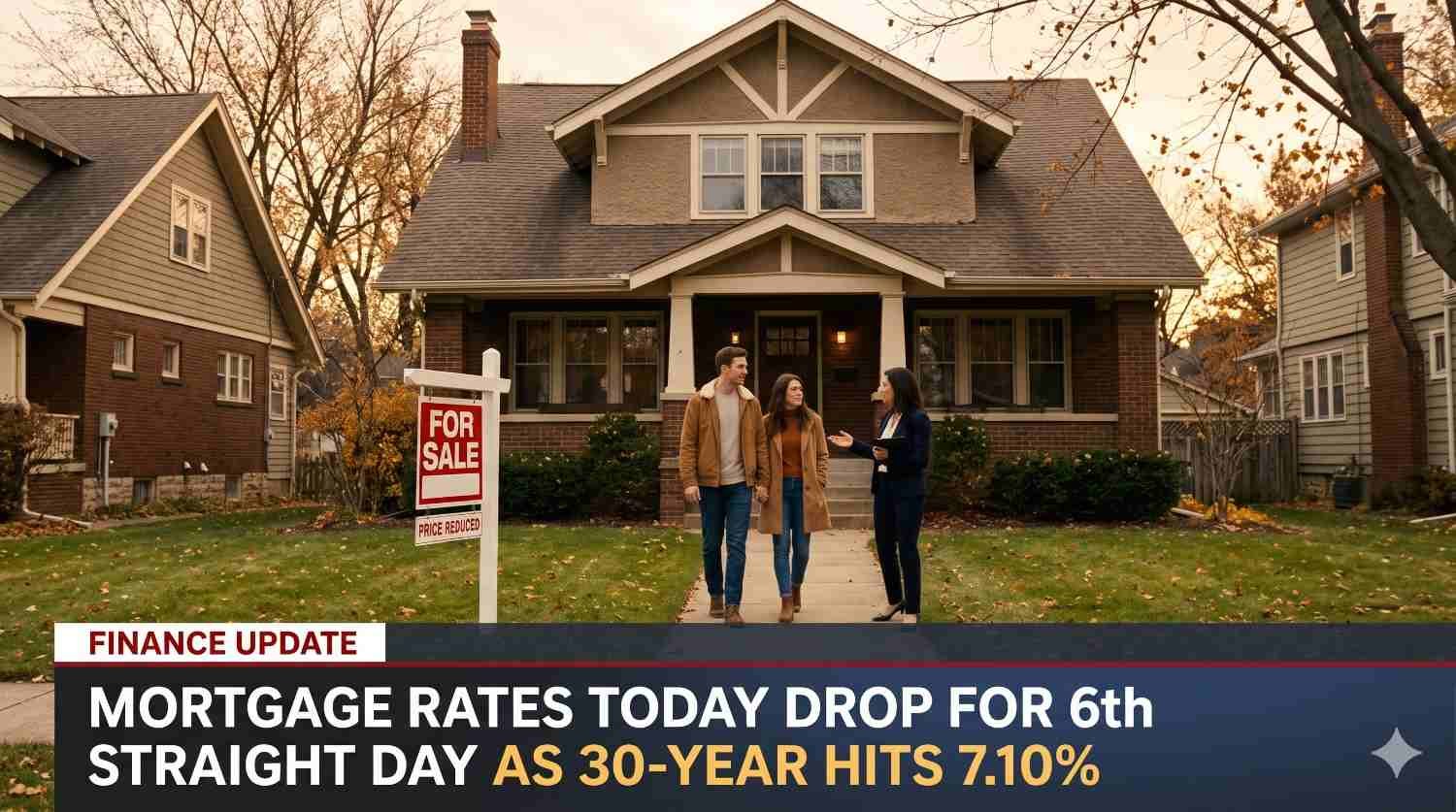
Caption: Comparing pre-meeting rate quotes against post-announcement pricing illustrates how a 75-basis-point spread reshapes 30-year household wealth.
Hidden Lender Traps, Tax Consequences, and Overlooked Edge Cases
Major rate-comparison tables almost never warn you about the fine-print clauses buried inside lock agreements. Before signing anything, watch out for these costly traps:
- Lock-Extension Junk Fees: A standard 30-day lock expires fast if an appraisal lags during December holidays. Extending an expired lock typically costs 0.125% to 0.25% of the loan amount per 15 days ($500 to $1,000 on a $400,000 mortgage)—always verify whether the lender or borrower pays if underwriting delays closing.
- Fake “Float-Down” Promises: Many loan officers verbally promise a lower rate if markets rally before closing, yet their written policy requires a massive 0.25% to 0.50% drop plus a non-refundable 0.25% fee. Demand the exact float-down rider in writing before activating your mortgage rate lock.
- IRS Tax Trap on Discount Points (Form 1098): Under IRS Publication 936 for 2026, home mortgage interest remains deductible only on the first $750,000 of qualified acquisition debt ($375,000 married filing separately) for taxpayers who itemize on Schedule A of Form 1040. Points paid to buy down your rate on a home purchase are generally deductible in the year paid, whereas points paid on a refinance must usually be amortized evenly over the entire 15- or 30-year term.
- Forgiven Debt Tax Bombs (Form 1099-C): Distressed homeowners negotiating short sales or principal reductions must check whether canceled debt triggers taxable ordinary income reported on IRS Form 1099-C.
- Self-Employed (1099-NEC), Retiree & Military Edge Cases: Gig workers and business owners face strict two-year Schedule C net-income averaging—heavy write-offs crush mortgage qualification even when bank cash flow looks strong. Retirees on fixed income can qualify using IRS-recognized asset depletion formulas on 401(k) and IRA balances, while active-duty personnel retain a 6% statutory cap on pre-service mortgage debt under the Servicemembers Civil Relief Act (SCRA).
For ongoing federal policy alerts, updated county lending limits, and consumer finance calendars, readers can also monitor curated U.S. updates on SarkariResultine.com/us. Once you know where the traps hide, executing six exact moves in the proper sequence puts the pricing power back in your hands.
Step-by-Step Approval & Savings Blueprint: Exact Moves to Make Right Now
Walking into a rate negotiation unprepared hands lenders an easy extra $3,000 to $6,000 in hidden margin. Follow this exact six-step operational sequence before December 9:
- Audit All Three Official Credit Files First: Pull your free Equifax, Experian, and TransUnion reports at AnnualCreditReport.com before a lender runs a hard inquiry. Dispute inaccurate late payments under the Fair Credit Reporting Act (FCRA) and pay revolving credit card balances below 10% utilization at least one statement cycle before closing.
- Verify Lender Licensing and Deposit Protection: Confirm every bank’s charter via the FDIC BankFind tool, credit unions through NCUA, and independent mortgage brokers via the Nationwide Multistate Licensing System (NMLS) registry. Never wire earnest money or lock deposits without verbally confirming routing instructions over a verified phone number.
- Assemble a Clean Underwriting Packet Before Shopping: Gather your past two years of W-2s (or 1099-NECs and full federal Form 1040 returns with all schedules), 30 days of recent pay stubs, 60 days of complete bank and brokerage statements, and signed gift letters if relatives assist with closing funds.
- Exploit the 45-Day FICO Rate-Shopping Window: Apply with at least three distinct lenders—one national bank, one local credit union, and one independent wholesale broker—on the same business day. Both FICO and VantageScore deduplicate multiple mortgage hard pulls inside a 14-to-45-day window as a single inquiry, protecting your score while forcing lenders to compete.
- Audit Page 2 Section A and Lock Terms Line by Line: Place all three official Loan Estimates side by side and ignore “Total Estimated Closing Costs” at first glance. Compare Section A (“Origination Charges” plus discount points), verify the exact mortgage rate lock expiration date on Page 1, and ask your preferred lender to match the lowest competitor’s Section A fee structure.
- Enforce Your Federal Legal Rights: If a lender violates TILA zero-tolerance fee rules, refuses to honor a written lock confirmation, or delays your Closing Disclosure past the mandatory three-business-day pre-closing review period, escalate immediately by filing a formal complaint with the Consumer Financial Protection Bureau (CFPB).
Executing those steps protects you today—yet knowing the exact 2026–2027 federal calendar tells you whether locking now or pacing your closing into Q1 makes smarter sense.
2026–2027 Key Financial Deadlines, Fed Calendar & What Happens Next
Timing a mortgage closing over the next four months means navigating a tightly packed cluster of central bank decisions and federal housing rule rollouts:
- November 28 – December 10, 2026: Federal Reserve FOMC communications blackout period—expect choppy bond yields driven solely by incoming jobs and inflation prints.
- December 9, 2026 (2:00 p.m. EST): FOMC announces its final 2026 interest rate decision alongside the quarterly Summary of Economic Projections (dot plot), followed by the Fed Chair press conference at 2:30 p.m. EST.
- Late December 2026: Expected HUD announcement of official 2027 FHA county loan limits (historically trailing FHFA’s conforming hike by two to three weeks) and release of the December FOMC meeting minutes.
- January 1, 2027: FHFA’s higher $855,400 national baseline conforming loan limit and $1,283,100 high-cost ceiling take formal legal effect nationwide.
- January 26–27, 2027: First 2027 FOMC policy meeting—markets will test whether inflation cooled enough to halt additional tightening.
- February 22, 2027: Fannie Mae’s revised manual underwriting eligibility rules allowing VantageScore 4.0 take effect for delivered loans, expanding credit access for thin-file borrowers with strong rent payment histories.
- March 16–17, 2027: Spring FOMC meeting with updated 2027–2028 economic projections, right as peak American homebuying season begins.
The Verdict on Locking vs. Waiting: If you are scheduled to close within the next 30 to 45 days, executing a mortgage rate lock now at the 7.21% pre-meeting dip is the disciplined move. Because inflation sits above 3.3% core PCE and two FOMC voters already pushed for a hike in October, the upside risk of rates jumping to 7.65%–7.85% far outweighs the slim chance of an immediate December rally. Only borrowers closing 60+ days out—or waiting for January 1’s $855,400 conforming cap—should consider floating, and even then, set a strict stop-loss target with your loan officer.
Official Government Resources & Primary Financial Verification Links
Verify every rate cap, federal consumer rule, and lender registration before finalizing a mortgage rate lock or signing closing disclosures using these primary U.S. portals:
- Federal Reserve FOMC Calendar & Policy Statements — Official meeting dates, rate decisions, and economic projections.
- Consumer Financial Protection Bureau (CFPB) — Official Loan Estimate explainer, TILA/RESPA rules, and federal lender complaint portal.
- Federal Housing Finance Agency (FHFA) Conforming Loan Limits — Interactive county-by-county lookup for 2026 and 2027 conforming caps.
- U.S. Department of Housing and Urban Development (HUD / FHA) — Official FHA loan limit lookup, MIP schedules, and HUD-approved housing counselors.
- Internal Revenue Service (IRS) Publication 936 — Official federal tax rules for home mortgage interest and discount point deductions.
- AnnualCreditReport.com — The sole federally authorized portal for free weekly Equifax, Experian, and TransUnion credit reports.
Frequently Asked Questions (People Also Ask)
Should I lock my mortgage rate before the December 9, 2026 Fed meeting?
Yes, if you close within 30 to 45 days. With core PCE inflation stuck at 3.3% and October FOMC voters already signaling rate-hike pressure, floating through the December 9, 2026 dot plot risks sudden bond repricing. Lock during the 7.21% pullback and negotiate a written float-down rider for downside protection.
How much does a mortgage rate lock cost, and does it hurt my credit score?
Most lenders include a standard 30- to 45-day mortgage rate lock at zero upfront fee, though longer 60- to 90-day locks can add 0.125% to 0.375% in pricing adjustments. Locking itself triggers no additional credit pull; your initial mortgage inquiry typically trims under 5 FICO points when rate-shopped within 45 days.
Can I get approved for a mortgage with a 620 or fair credit score in late 2026?
Yes. FHA loans accept credit scores down to 580 with 3.5% down, while conventional loans start at 620. Under FHFA’s late-2026 VantageScore 4.0 rollout, borrowers with clean 24-month rent histories and low card balances may qualify more easily than under older Classic FICO models.
Are mortgage discount points tax-deductible on my 2026 federal tax return?
Potentially, if you itemize deductions on Schedule A of Form 1040 and your total home acquisition debt stays at or below $750,000 ($375,000 married filing separately). Purchase points generally qualify for full current-year deduction under IRS Publication 936, whereas refinance points typically must be amortized over the loan’s life.
What happens if mortgage rates drop right after I lock my rate?
You have three options: trigger a written float-down clause with your current lender, ask your loan officer for a competitive renegotiation to retain your business, or switch lenders entirely if closing is more than 21 days away. Keep in mind that switching lenders usually requires paying for a new home appraisal.
Editorial Financial Disclosure: Mortgage interest rates, Federal Reserve policy expectations, FHFA/FHA loan limits, and IRS tax rules are subject to rapid market and statutory changes; this investigative report is published strictly for informational and educational purposes and does not constitute individualized financial, mortgage, tax, or legal advice.













Leave a Reply